
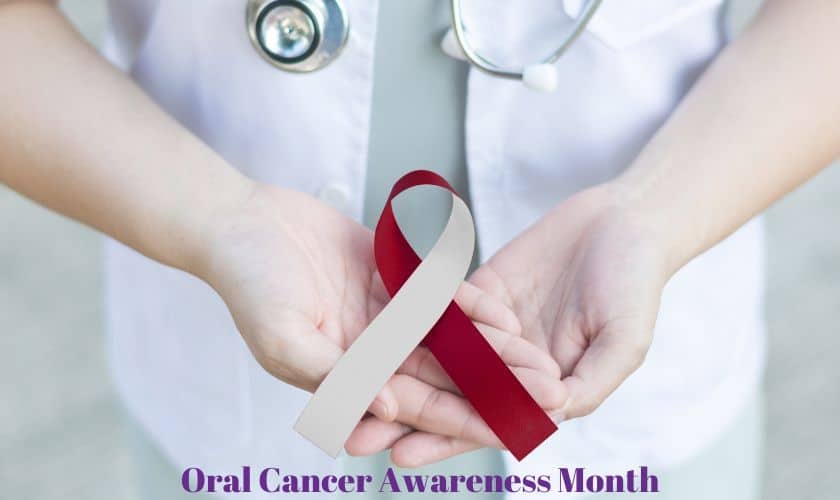
Did you know that according to the Oral Cancer Foundation, over 53,230 cases of oral cancer are expected to be diagnosed in the United States in 2023 alone? That’s more than the combined cases of leukemia in adults! While that might sound scary, here’s the good news: oral cancer has a very high cure rate of over 80% when detected and treated early. So, the key is early detection! But how can you spot the signs before they become serious?
In this blog post, we’ll be your guide to recognizing the early signs of oral cancer. We’ll cover the tell-tale symptoms, risk factors, and the importance of regular dental checkups. By the end, you’ll be armed with the knowledge to take charge of your oral health and become an advocate for awareness!
Recognizing the Silent Threat: Common Symptoms of Oral Cancer
Oral cancer can develop anywhere in the mouth, including the tongue, lips, cheeks, gums, and even the throat. The tricky part is that the early signs can often be subtle and painless, which is why awareness is crucial. Here are some of the most common symptoms to watch out for:
- Mouth Sores: A sore that doesn’t heal within two weeks, bleeds easily, or appears white or red shouldn’t be ignored.
- Lumps: Unusual lumps or bumps on the lips, gums, tongue, or inside the cheeks warrant a visit to your dentist.
- Bleeding: Unexplained bleeding in the mouth, especially without any apparent cause, could be a red flag.
- Numbness: A persistent feeling of numbness in the tongue or other areas of the mouth can be a warning sign.
- Difficulty Swallowing or Chewing: Changes in your ability to swallow or chew comfortably could indicate underlying issues.
- Loose Teeth: Teeth that suddenly become loose or feel different could be a cause for concern.
- Jaw Pain or Swelling: Persistent pain or swelling in the jaw area requires a professional evaluation.
- Voice Changes: Hoarseness or changes in your voice that last for more than a few weeks could be a symptom.
Remember, these symptoms can also be caused by other non-cancerous conditions. However, it’s always best to err on the side of caution and get checked by a dentist. Early detection is critical for successful treatment.
Who’s More at Risk? Understanding Oral Cancer Risk Factors
Certain factors can increase your risk of developing oral cancer. Here’s a breakdown of some of the most common ones:
- Tobacco Use: This is the single biggest risk factor for oral cancer. Smoking, chewing tobacco, and even smokeless cigarettes all contribute significantly.
- Heavy Alcohol Consumption: Excessive alcohol use can interact with the carcinogens found in tobacco, further increasing the risk.
- Human Papillomavirus (HPV): HPV, particularly strains 16 and 18, are increasingly linked to oral cancers, especially those affecting the tonsils and the back of the tongue.
- Sun Exposure: While less common, excessive sun exposure to the lips can increase the risk of lip cancer.
If you fall into any of these high-risk categories, it’s even more important to be vigilant about your oral health and schedule regular dental checkups with screenings.
The Power of Prevention: Early Detection Through Regular Checkups
While there’s no guaranteed way to prevent oral cancer entirely, there are steps you can take to reduce your risk. Here are some key practices:
- Quit Tobacco: If you use tobacco products, quitting is the single most important thing you can do to protect your oral health.
- Limit Alcohol Consumption: Moderate your alcohol intake, and avoid combining it with tobacco use.
- Vaccination: Consider getting vaccinated against HPV, which can help protect against HPV-related oral cancers.
- Sun Protection: Protect your lips from the sun by using a lip balm with SPF 30 or higher.
- Regular Dental Checkups: Schedule regular dental checkups, typically every six months, for professional screenings and cleanings. During these visits, your dentist will examine your mouth for any signs of oral cancer.
- Self-Exams: Perform monthly self-exams at home. Stand in front of a well-lit mirror and use a flashlight to examine all areas of your mouth, tongue, lips, and cheeks. Feel your neck for any lumps or bumps.
By incorporating these practices into your routine, you’re taking a proactive approach to protecting your oral health.
Knowledge is Power in the Fight Against Oral Cancer
By familiarizing yourself with the early signs of oral cancer and practicing regular self-examination, you’re taking a proactive step towards maintaining good oral health. Remember, early detection is critical for successful treatment. Don’t hesitate to discuss any concerns with your Ardmore dentist and schedule regular checkups to ensure a healthy and happy smile!
So, the next time you brush your teeth, take a moment to examine your mouth for any unusual changes. Early detection can truly make a difference.
Let’s work together to raise awareness and fight oral cancer!