
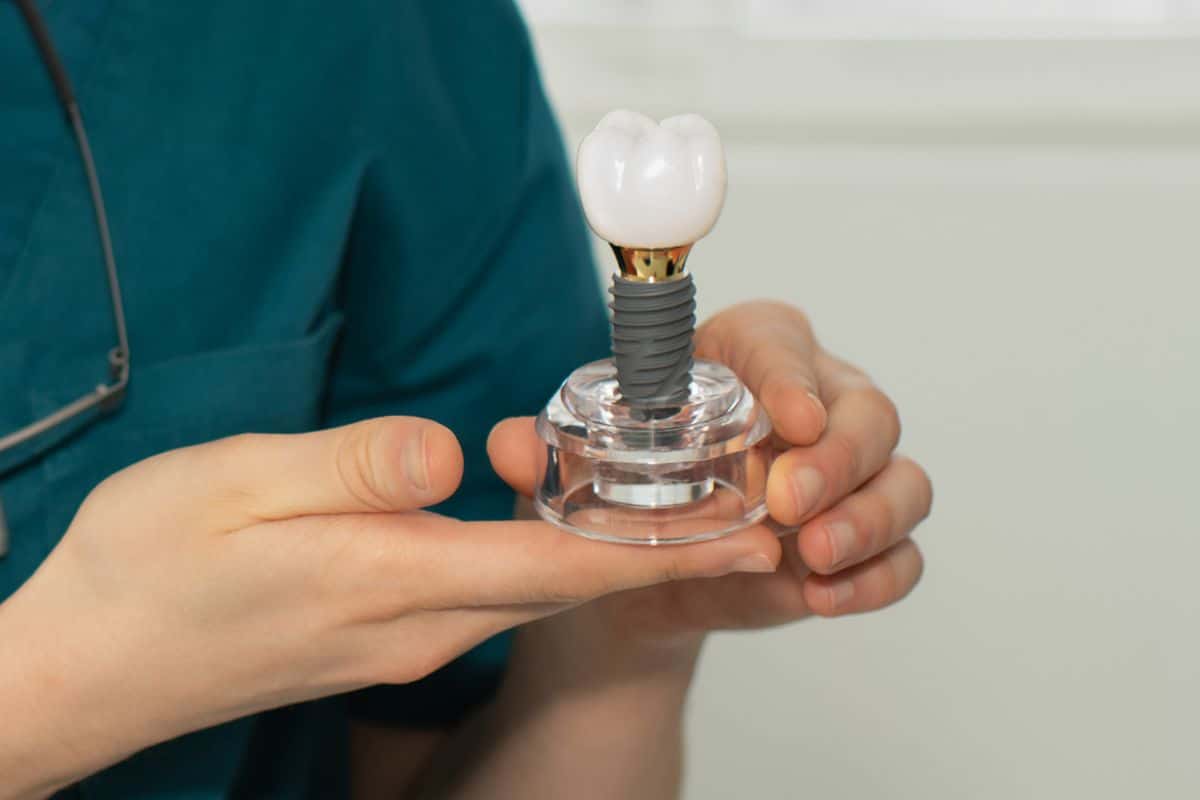
Missing teeth can be a source of insecurity and discomfort. They can affect your ability to speak and chew effectively, impacting your overall well-being. Dental implants have emerged as a popular and long-term solution for replacing missing teeth. But how successful are they really? Let’s delve into the world of dental implants and explore their success rates, keeping your smile bright and healthy in mind.
The Allure of Implants: A Nearly Permanent Fix
Dental implants boast a reputation for being a near-permanent solution for missing teeth. Unlike dentures or bridges, implants are surgically inserted into the jawbone, mimicking the natural root of a tooth. This provides exceptional stability and functionality, allowing you to eat, speak, and smile with confidence. Studies suggest a success rate of around 90-95% for dental implants over a period of 5-10 years. That’s a pretty impressive statistic!
But before you get overly excited and book your implant surgery, it’s important to understand that this success rate isn’t a one-size-fits-all situation. Several factors can influence the long-term viability of your implants.
Factors Affecting Implant Success: Not All Smiles Are Created Equal
Here’s where things get interesting. While the overall success rate is promising, individual factors can influence how well your implants integrate with your jawbone and function over time.
- Your Overall Health: Chronic health conditions like diabetes or uncontrolled gum disease (periodontitis) can impact healing and increase the risk of implant failure.
- Smoking: Smoking is a major culprit when it comes to implant complications. Studies have shown that smokers have a higher risk of implant failure compared to non-smokers.
- Bone Density: Having sufficient jawbone density is crucial for successful osseointegration, the fusion of the implant with the jawbone. Patients with low bone density might require additional procedures to create a strong foundation for the implant.
- Surgical Expertise: The experience of your dentist or oral surgeon play a significant role. Choosing a qualified professional with a proven track record in implant dentistry can significantly improve your chances of success.
Understanding the Numbers: Success Rates Over Time
According to the American Academy of Implant Dentistry, The success rate of dental implants can also vary depending on the follow-up period considered. While a 90-95% success rate is often quoted for the initial 5-10 years, long-term studies suggest a slight decrease over time. Research indicates a 10-year success rate of around 97% and a 20-year success rate of approximately 75%.
Maximizing Your Implant Success: A Collaborative Effort
So, how can you increase your chances of experiencing long-term success with dental implants? Here are some key strategies:
- Maintain Excellent Oral Hygiene: Just like your natural teeth, implants require meticulous oral hygiene to prevent peri-implantitis, an infection around the implant. Brushing twice daily, flossing regularly, and attending regular dental checkups are crucial.
- Kick the Smoking Habit: If you smoke, quitting is one of the best things you can do for your overall health and the success of your implants.
- Choose a Qualified Dentist: Do your research and select an implant dentist in Ardmore with extensive experience in implant dentistry.
- Diligent Aftercare: Following your dentist’s post-surgical instructions carefully is essential for optimal healing and preventing complications.
The Takeaway: A Smile You Can Trust
Dental implants offer a reliable and long-lasting solution for replacing missing teeth. With a success rate exceeding 90% in the initial years, they can significantly improve your oral health and quality of life. However, remember that this success rate is influenced by various factors. By maintaining good oral hygiene, managing any underlying health conditions, and choosing a qualified dentist, you can significantly increase your chances of enjoying a healthy and beautiful smile with your implants for years to come.
Consult your family dentist in Ardmore today to discuss if dental implants are the right option for you and explore the factors that can influence their success in your specific case.