
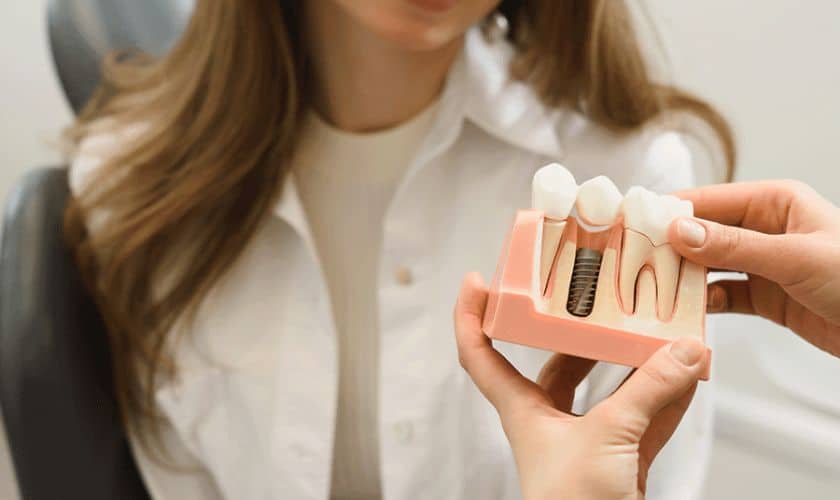
Welcome to our dental bridges guide! If you’re missing one or more teeth, a dental bridge can be an affordable and effective solution. Not only will it restore your smile and confidence, but it also helps maintain the shape of your face and prevent further oral health problems. In this article, we’ll explore the different types of dental bridges available for both children and adults, as well as their pros and cons. Let’s dive in!
Dental Bridge Basics
A dental bridge is a type of dental restoration that replaces one or more missing teeth. It’s called a bridge because it literally “bridges” the gap between your remaining natural teeth. A typical dental bridge consists of two crowns on either side of the gap and an artificial tooth (or several) in between.
There are different types of materials used for bridges, such as porcelain, metal alloys, or a combination of both. Your dentist will recommend the best material based on factors like durability, aesthetics, and cost.
To prepare for a dental bridge procedure, your dentist will first examine your oral health to ensure you’re a good candidate. They may need to remove some enamel from adjacent teeth so that they can fit with the crowns.
Once the preparation is complete, your dentist will take impressions and send them to a laboratory where they’ll create custom-made bridges just for you. During this time, you’ll wear temporary bridges until your permanent ones arrive.
After receiving your permanent bridges, it’s important to maintain proper hygiene practices by brushing twice daily and flossing regularly. With proper care and maintenance, dental bridges can last anywhere from five to fifteen years!
Dental Bridges For Children
Dental bridges are usually associated with adults, but they can also be an option for children who have lost a tooth prematurely due to injury or decay. Children’s dental bridges work in the same way as those for adults by filling gaps and improving the appearance of their smile.
One of the main benefits of dental bridges for children is that it can prevent future oral health problems. When a child loses a tooth too early, it can cause other teeth to shift into the empty space, affecting their bite and potentially leading to crooked teeth. By filling this gap with a bridge, these issues can be avoided.
It’s important to note that not all children are candidates for dental bridges. The procedure may only be recommended if there is sufficient jawbone growth and development to support the bridge properly.
The process for placing a bridge in children is similar to adults; however, extra care must be taken as their mouths are still developing. The dentist will take impressions of the child’s mouth and design a custom-made bridge that fits perfectly over existing teeth on either side of the gap.
Dental bridges provide an effective solution for restoring missing teeth in children while preventing potential oral health problems down the road. Consult with your child’s dentist about whether they’re eligible for this treatment option.
Dental Bridges For Adults
Dental bridges are a popular solution for adults who have lost one or more teeth due to injury, decay, or disease. These prosthetic devices consist of two crowns on either side of the gap and an artificial tooth in between that fills the space where the natural tooth used to be.
Adults often choose dental bridges over other options like dentures because they are fixed in place and feel more like natural teeth. They also require less maintenance than removable appliances.
Before getting a dental bridge, your dentist will examine your mouth to ensure you have enough healthy teeth to support the device. If not, they may recommend implants as an alternative option.
There are different types of dental bridges available depending on your specific needs. Traditional bridges use adjacent healthy teeth as anchors while cantilever bridges only require one anchor tooth. Maryland bonded bridges use metal or porcelain wings attached to nearby healthy teeth rather than crowns.
Dental bridges can provide a long-term solution for adults dealing with missing teeth and help improve their oral health and confidence.
Dental Bridge Options
When it comes to dental bridges, there are several options available depending on the patient’s needs and preferences. One option is a traditional bridge which involves creating a crown for the teeth adjacent to the missing tooth or teeth, with a pontic (replacement tooth) fused between them. This type of bridge is commonly used for patients who have one or two missing teeth.
Another option is a cantilever bridge which is similar to traditional bridges but only uses one abutment tooth instead of two. This means that it can be used in areas where there’s only one natural tooth next to the gap.
For patients who don’t want their healthy teeth shaved down for crowns, a Maryland bonded bridge may be recommended. This type of bridge consists of metal or porcelain wings that are bonded onto the backside of adjacent teeth with resin cement.
Implant-supported bridges involve placing dental implants into the jawbone as support for replacement teeth instead of using neighboring natural teeth as anchors like other types of bridges do.
All these options require careful consideration before choosing which best suits your oral health condition and budget constraints; thus, consulting your dentist beforehand could give you better insight into making an informed decision about your future dental treatment plan.
Dental Crowns And Bridges
Dental crowns and bridges are two of the most popular dental restoration options available. Crowns can be used to restore damaged or decayed teeth, while bridges can replace missing teeth. Both types of restorations are custom-made to match the color and shape of your existing teeth for a natural-looking smile.
If you’re considering getting a dental bridge, it’s essential to consult with your dentist first. They will assess your oral health and determine which type of bridge is best suited for your needs. With proper care, dental bridges can last for many years, restoring both function and aesthetics to your smile.
In summary, there are several different types of dental bridges available depending on the patient’s specific needs. From traditional fixed bridges to modern implant-supported prostheses, patients have more options than ever before when it comes to restoring their smiles after tooth loss. By working closely with a trusted dentist or prosthodontist, patients can find the ideal solution for their unique situation and enjoy all the benefits that come with having a full set of healthy teeth once again!
The Bottom Line
Dental bridges are a fantastic solution for those who have missing teeth and want to restore their smile. Whether you’re looking for a dental bridge for your child or yourself, there are several options available depending on your specific needs.
It’s important to work with a qualified dentist who can help determine the best option based on your unique situation. Dental crowns and bridges may be recommended as part of this process.
Dental crowns are used to cover damaged or decayed teeth, while dental bridges replace missing teeth by anchoring onto existing teeth. These two methods can often be combined to create comprehensive solutions that address multiple issues at once.
Ultimately, choosing the right type of dental bridge requires careful consideration and expert guidance from a trusted professional. With the right approach, you can achieve a beautiful, healthy smile that lasts for years to come!