
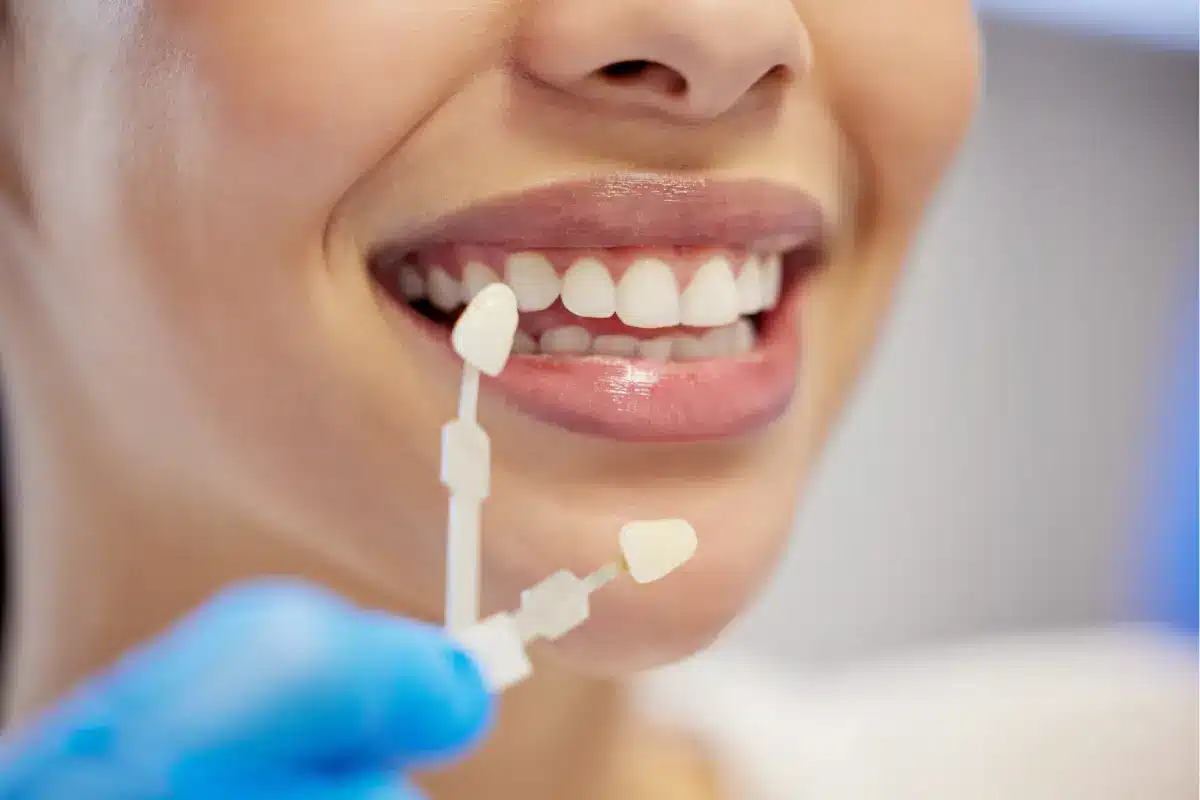
Breaking a tooth can be unsettling, but if there’s no pain, it’s easy to think the damage isn’t serious. Many people continue eating, drinking, and going about their day because the tooth feels perfectly fine. However, the absence of pain doesn’t always mean the tooth is healthy.
Even a painless chip or fracture can expose the tooth to future damage or infection. In many cases, Dental Crown treatment is recommended to restore the tooth’s strength and help prevent additional complications.
At Castillo Family Dentistry, Dr. Eric Castillo helps patients understand that not every dental problem causes immediate discomfort. A broken tooth may still require professional care, even if it feels normal today. Identifying the extent of the damage early can often help preserve your natural tooth and reduce the need for more extensive treatment later.
Can a Tooth Break Without Causing Pain?
Yes. A tooth can break without causing pain, especially if the damage only affects the outer enamel.
Enamel is the hard, protective layer covering your teeth. Since it doesn’t contain nerves, a small chip or fracture may not hurt at all. However, if the crack becomes deeper over time or reaches the dentin or pulp, discomfort may develop later.
Some people don’t experience symptoms until weeks or even months after the tooth breaks.
Common Reasons Teeth Break
A tooth doesn’t have to experience a major accident to crack or fracture. Everyday habits and gradual wear can weaken teeth over time.
Biting Hard Foods
Chewing on hard candy, ice, popcorn kernels, or nuts can place excessive pressure on a tooth, increasing the risk of a crack or break.
Sports Injuries or Accidents
Falls, vehicle accidents, or sports-related impacts can chip or fracture a tooth, even if the damage isn’t immediately obvious.
Teeth Grinding
Grinding or clenching your teeth while sleeping puts repeated pressure on your teeth. Over time, this can weaken enamel and increase the likelihood of fractures.
Large Fillings
Teeth with large fillings may become weaker than healthy teeth because less natural tooth structure remains to support them.
Tooth Decay
Cavities gradually weaken the tooth from the inside. As decay progresses, the tooth becomes more likely to chip or break during normal chewing.
Why You Shouldn’t Ignore a Broken Tooth
Just because a broken tooth doesn’t hurt today doesn’t mean it won’t become a problem tomorrow.
Hidden Damage
Some fractures extend deeper than they appear. A crack may continue spreading each time you bite or chew, making the tooth more difficult to repair later.
Greater Risk of Infection
A broken tooth can create openings where bacteria enter the inner layers of the tooth. If bacteria reach the pulp, an infection may develop, potentially requiring more advanced treatment.
Weakened Tooth Structure
Even a small fracture can reduce the strength of your tooth. Without protection, the remaining tooth may continue to wear down or break further.
Sharp Edges
Broken teeth sometimes leave rough or sharp edges that can irritate your tongue, cheeks, or lips, making eating and speaking uncomfortable.
If you’ve chipped or broken a tooth—even if it doesn’t hurt—contact Castillo Family Dentistry for an evaluation. Early care may help prevent additional damage and protect your natural tooth.
When Is a Dental Crown Recommended?
If a tooth has lost a significant amount of its structure but can still be saved, a Dental Crown may be one of the most effective treatment options.
A dental crown is a custom-made restoration that completely covers the damaged tooth. It helps restore its shape, strength, and function while protecting it from further fractures.
A dentist may recommend a Dental Crown when:
- A large portion of the tooth has broken.
- The tooth is weakened after decay.
- A crack increases the risk of additional damage.
- The remaining tooth structure needs extra protection.
Not every broken tooth requires a crown, but having the tooth evaluated allows your dentist to recommend the most appropriate treatment.
What Should You Do If You Break a Tooth?
If you break a tooth, taking a few simple steps before your dental appointment can help protect it.
- Rinse your mouth with warm water.
- Save any broken pieces if possible.
- Avoid chewing on the affected side.
- If the edge feels sharp, cover it with dental wax if available.
- Schedule a dental examination as soon as possible.
Prompt treatment can often prevent a small problem from becoming a larger one.
Protect Your Smile With Castillo Family Dentistry
A broken tooth that doesn’t hurt can still have hidden damage beneath the surface. Waiting until pain develops may allow the crack to worsen or increase the risk of infection.
At Castillo Family Dentistry, Dr. Eric Castillo carefully evaluates damaged teeth and recommends personalized treatment based on the extent of the injury. If you need Dental Crown treatment in Ardmore, OK, our team is here to help restore your tooth and protect your long-term oral health.
FAQs
1. Can you live with a broken tooth if it doesn’t hurt?
While you may not feel pain right away, it’s not a good idea to ignore a broken tooth. Even a painless fracture can weaken the tooth, allow bacteria to enter, and increase the risk of infection or further damage over time.
2. How long can a broken tooth go untreated?
There’s no safe timeline for leaving a broken tooth untreated. Small chips may remain stable for a while, but cracks can worsen with everyday chewing. It’s best to have the tooth examined as soon as possible to prevent additional complications.
3. Does a cracked or broken tooth always need to be pulled?
No. Many broken or cracked teeth can be repaired and saved. Depending on the extent of the damage, treatments such as a Dental Crown may restore the tooth’s strength and function. Extraction is usually considered only when the tooth cannot be repaired.
5. How do dentists repair a broken tooth?
The treatment depends on the severity of the damage. Minor chips may be repaired with dental bonding, while larger fractures often require a Dental Crown treatment to protect and restore the tooth. More extensive damage may require additional procedures based on the condition of the tooth.