
Have you ever looked in the mirror and noticed a chipped tooth or a cavity that just won’t quit? You’re not alone! Millions of Americans face dental issues yearly, and finding the right solution can feel overwhelming. Two of the most common and effective treatments are tooth caps and dental crowns. But which one is right for you? Let’s dive in!
Understanding the Damage
Before we explore these restorative options, let’s quickly understand the types of damage they address:
- Chips and Cracks: Minor to moderate damage often caused by biting down on hard objects, accidents, or even grinding your teeth.
- Large Cavities: Extensive decay that weakens the tooth structure and can lead to further complications.
- Root Canals: A crown is often necessary to protect the weakened tooth after a root canal procedure.
Tooth Cap: The Minimalist Approach
A tooth cap, also known as a dental onlay or inlay, is a custom-made restoration that covers a portion of the tooth’s chewing surface. Think of it as a smaller, more conservative version of a full crown.
Who’s it for? Ideal for smaller cavities or chips that don’t compromise the tooth’s structural integrity.
Benefits:
- Less invasive: Preserves more of the natural tooth structure compared to a full crown.
- More affordable: Generally less expensive than a crown.
- Improved aesthetics: Restores the tooth’s natural shape and function.
- Durability: Modern materials like porcelain and composite resin offer excellent strength and longevity.
Dental Crown: The Comprehensive Solution
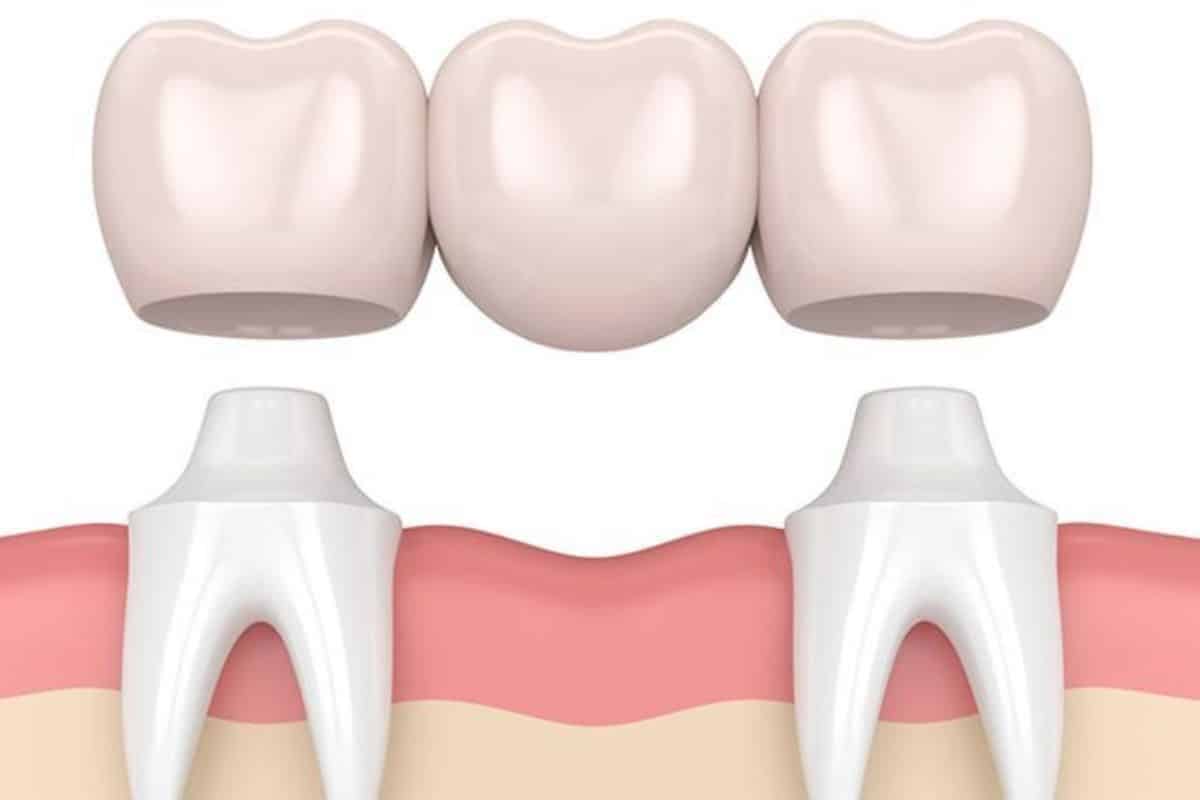
A dental crown is a tooth-shaped cap that completely covers the visible portion of a damaged tooth.
Who’s it for? Recommended for:
- Large cavities
- Teeth weakened by root canals
- Cracked or severely damaged teeth
Benefits:
- Strength and Durability: Provides maximum protection and support to weakened teeth.
- Versatility: Can be made from various materials like porcelain, ceramic, gold, or even a combination.
- Improved Aesthetics: Can be customized to match the color and shape of your natural teeth.
- Long-lasting: With proper care, dental crowns can last for many years.
Making the Decision
The best choice for you will depend on several factors, including:
- The extent of the damage: Larger cavities and more significant structural issues generally require a crown.
- Your dentist’s recommendation: Your qualified dentist in Ardmore will carefully examine your teeth and recommend the most appropriate treatment.
- Your budget: Crowns tend to be more expensive than caps.
Important Considerations:
- Proper Oral Hygiene: Maintaining excellent oral hygiene, including regular brushing, flossing, and professional cleanings, is crucial for the long-term success of any dental restoration.
- Avoiding Hard Foods: Avoid biting down on hard objects like ice, nuts, or popcorn kernels to prevent damage to your restoration.
In Conclusion
Both tooth caps and dental crowns are effective solutions for restoring damaged or decayed teeth. The key is to consult with your dentist to determine the best option for your specific needs and achieve a healthy, beautiful smile.