
For many patients, the thought of getting a dental crown can bring up some apprehension—especially when it comes to pain. If you’ve been told that you need a crown, it’s natural to wonder, “Does it hurt to get a dental crown?” The good news is that modern dental techniques and patient-focused care have made this process far more comfortable than you might expect.
In this blog, we’ll walk you through what to expect during a dental crown procedure, explore how discomfort is managed, and highlight how choosing a trusted provider for dental crowns in Ardmore can make all the difference.
Understanding Dental Crowns
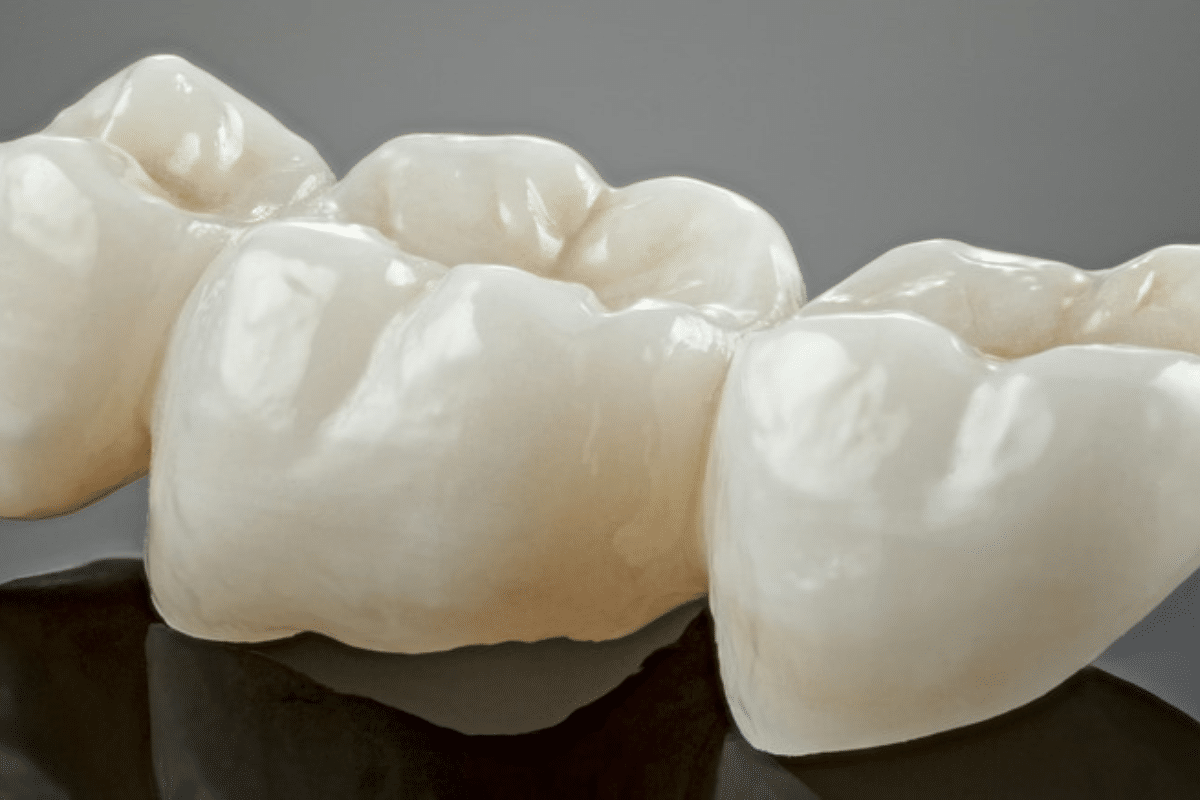
Before diving into the question of pain, it’s helpful to understand what a dental crown is and why you might need one. A dental crown is a tooth-shaped cap that is placed over a damaged, decayed, or weakened tooth to restore its shape, size, strength, and appearance. Dental crowns are often recommended when a tooth is too compromised for a filling but not so damaged that it needs to be extracted.
Crowns are custom-made to match the look and function of your natural teeth, offering a long-term solution to preserve your oral health and improve your smile.
What to Expect During the Procedure
The process of getting a dental crown usually involves two visits to your dentist. During the first appointment, your dentist will prepare the tooth, which may include removing decay and reshaping it to fit the crown. Impressions are then taken to create a crown that fits perfectly. A temporary crown may be placed while your permanent crown is being fabricated.
At your second visit, the temporary crown is removed, and the permanent crown is carefully fitted, adjusted, and cemented into place.
Does It Hurt?
This is the question most patients want answered right away. The short answer: No, getting a dental crown should not hurt. Thanks to local anesthesia and advanced techniques, the procedure is generally very comfortable.
Here’s how discomfort is managed throughout the process:
1. Numbing the Area
Before any work begins, your dentist will use a local anesthetic to numb the tooth and surrounding gum tissue. This ensures you won’t feel pain during the procedure. You might feel some pressure or vibrations, but these sensations are typically not painful.
2. Tooth Preparation
Reshaping the tooth may sound daunting, but because the area is fully numbed, patients rarely feel any discomfort. If your tooth is already sensitive or infected, your dentist may take extra steps to ensure your comfort throughout the appointment.
3. Temporary Crown Sensitivity
While wearing a temporary crown, some patients experience mild sensitivity to hot or cold foods. This is normal and usually goes away once the permanent crown is in place. Avoiding extremely hot or cold drinks and being cautious while chewing can help during this time.
4. Fitting the Permanent Crown
At your second visit, fitting the permanent crown is typically a quick and painless process. Some minor adjustments may be needed to ensure the crown fits just right, but any discomfort is minimal and temporary.
After the Procedure
Once the crown is cemented in place, you may experience some minor sensitivity or soreness in the gums, especially if you had any gum work done. This discomfort typically subsides within a few days and can be managed with over-the-counter pain relievers if needed.
It’s important to follow your dentist’s aftercare instructions and attend any recommended follow-up visits to ensure the crown settles properly and your bite feels normal.
How Choosing the Right Dental Clinic Helps
A comfortable crown experience often comes down to choosing the right dental provider. When it comes to dental crowns in Ardmore, working with a clinic that values patient comfort and quality care is essential.
A skilled dentist will take time to understand your concerns, explain each step of the procedure, and use gentle techniques to minimize discomfort. This personalized, patient-centered approach not only eases anxiety but also leads to better outcomes.
Tips for a Smooth Experience
If you’re preparing to get a dental crown, here are a few tips to ensure a smooth and comfortable experience:
- Communicate Openly: Let your dentist know about any dental anxiety or past experiences. They can tailor the approach to help you feel more at ease.
- Follow Aftercare Guidelines: Proper care after the procedure can prevent discomfort and ensure long-term success.
- Stay on Top of Checkups: Regular visits help monitor the condition of your crown and surrounding teeth.
Final Thoughts
While it’s normal to feel nervous about any dental procedure, getting a dental crown is generally not painful, thanks to effective numbing, modern technology, and a compassionate approach to care. Any minor discomfort is usually short-lived and manageable. In return, you gain a stronger, healthier tooth and greater confidence in your smile. Our team prioritizes your comfort, well-being, and long-term oral health. Schedule an appointment today and experience high-quality care you can trust.