
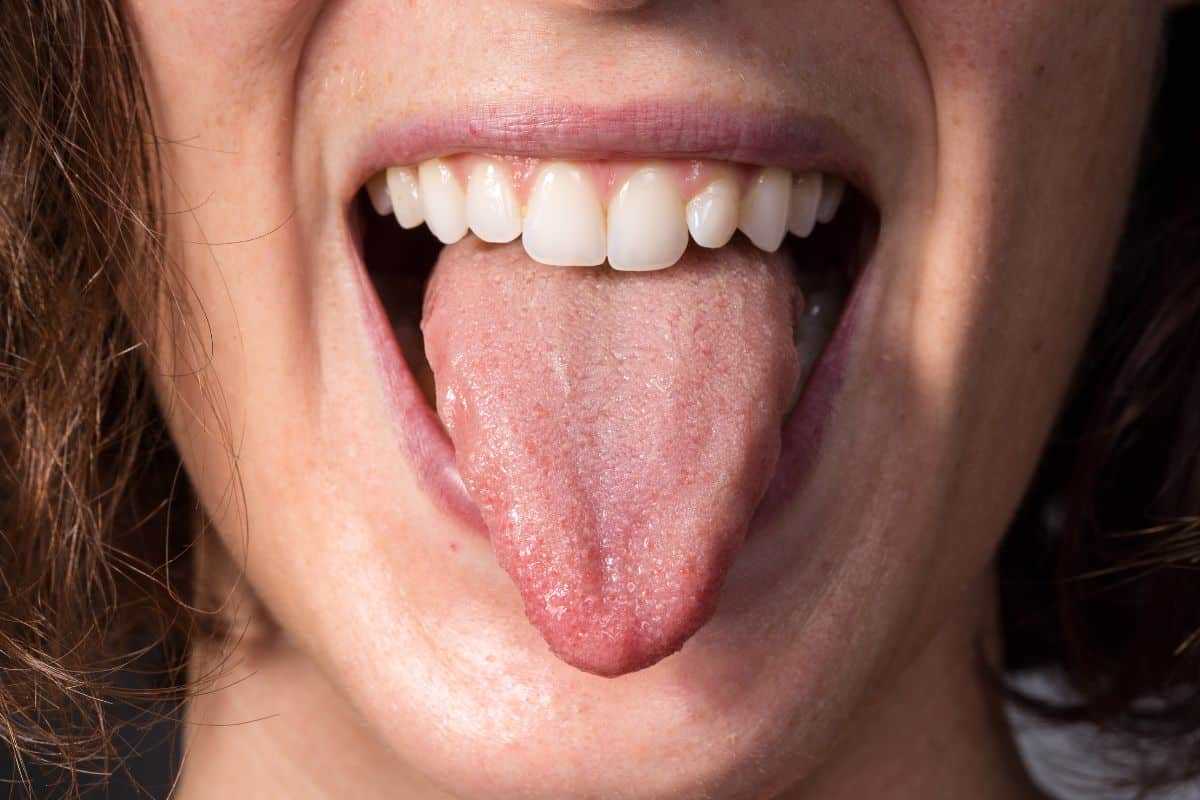
If you’ve ever noticed small bumps on your tongue and wondered whether they’re normal—or if they could interfere with your oral hygiene—you’re not alone. Many people are surprised to learn that the condition of the tongue plays a direct role in how effectively teeth are cleaned. While these bumps are often harmless, they can sometimes impact plaque control, breath freshness, and overall oral health if not properly understood and managed.
This article breaks down what those little bumps on your tongue usually are, why they matter, and how they can affect your daily teeth-cleaning routine—all in a clear, patient-focused way.
Understanding the Little Bumps on Your Tongue
The surface of the tongue isn’t smooth by design. It’s covered with tiny structures that serve important functions.
What Are Tongue Papillae?
Most small bumps on the tongue are called papillae. These structures help with taste, texture detection, and even speech. There are several types, including:
- Filiform papillae, which give the tongue its rough texture
- Fungiform papillae, which contain taste buds
- Circumvallate papillae, located near the back of the tongue
Under normal circumstances, these bumps are healthy and essential. However, changes in their size, color, or sensitivity can influence how comfortable and effective oral cleaning feels.
When Tongue Bumps Become Noticeable
Tongue bumps may become more prominent due to:
- Dehydration
- Irritation from spicy or acidic foods
- Poor oral hygiene
- Inflammation or minor infections
When this happens, brushing and flossing routines may feel uncomfortable, leading some people to avoid thorough cleaning altogether.
How Tongue Bumps Can Affect Teeth Cleaning
Your tongue and teeth work together more than you might realize. When the tongue isn’t healthy, it can indirectly interfere with how well teeth are cleaned.
Increased Bacteria Retention
The tongue’s textured surface can trap bacteria, food particles, and plaque. Inflamed or enlarged bumps create deeper grooves, making it easier for bacteria to accumulate. This bacterial buildup can quickly transfer to the teeth, even if brushing is done regularly.
Discomfort That Leads to Incomplete Brushing
If tongue bumps are sore or sensitive, people often shorten brushing time or avoid certain areas of the mouth. Over time, this can lead to plaque buildup along the gumline and between teeth—areas already prone to decay and inflammation.
Impact on Breath and Oral Balance
A coated or irritated tongue can contribute to bad breath and an imbalance of oral bacteria. This imbalance may make routine teeth cleaning feel less effective, even when you’re consistent.
A knowledgeable dentist often emphasizes that oral hygiene is more than just brushing teeth—it’s about maintaining a healthy environment throughout the entire mouth.
Common Causes That Connect Tongue Health and Oral Hygiene
Understanding why tongue bumps appear can help you improve your overall oral care routine.
Oral Hygiene Habits
Skipping tongue cleaning allows bacteria to build up over time. Gentle tongue brushing or scraping can significantly reduce bacterial load and support cleaner teeth.
Diet and Hydration
Dry mouth and frequent sugar or acid exposure can irritate tongue papillae. Staying hydrated and maintaining a balanced diet supports both tongue comfort and enamel protection.
Stress and Immune Response
Stress can affect immune function, sometimes making the tongue more prone to inflammation or sensitivity. This can indirectly affect how well daily oral care is maintained.
When Tongue Bumps May Signal a Bigger Issue
While most tongue bumps are harmless, persistent or painful changes shouldn’t be ignored.
Signs to Pay Attention To
- Bumps that don’t resolve after two weeks
- Significant pain or burning sensations
- Changes in color or texture
- Difficulty eating or cleaning teeth comfortably
In these situations, consulting a trusted dentist in Ardmore can provide reassurance and clarity. An experienced dental professional understands how tongue health fits into the bigger picture of oral wellness.
Tips for Supporting Tongue and Teeth Health Together
Maintaining a healthy tongue can make teeth cleaning more effective and comfortable.
Gentle Tongue Cleaning
Use a soft-bristled toothbrush or tongue scraper with light pressure. Over-scrubbing can worsen irritation.
Consistent Oral Care Routine
Brushing twice daily, flossing, and rinsing with water after meals help reduce bacteria that affect both the tongue and teeth.
Stay Observant
Your tongue often reflects overall oral health. Noticing changes early helps prevent minor issues from interfering with long-term hygiene.
A dentist with an experienced approach and commitment to high-quality care often educates patients on these simple but impactful habits.
Why Oral Awareness Matters More Than You Think
Oral health isn’t just about preventing cavities—it’s about maintaining balance. When tongue health is overlooked, it can quietly undermine even the best teeth-cleaning routine. By understanding the role of tongue bumps and addressing them proactively, you can support cleaner teeth, fresher breath, and a more comfortable daily routine.
This holistic awareness is something many patients gain through regular guidance from a dentist who prioritizes education, trust, and patient-centered care.
Your Next Step Toward Better Oral Comfort
A healthy mouth starts with understanding how every part works together—from your tongue to your teeth. Castillo Family Dentistry is here to help guide you with experience, compassion, and a commitment to high-quality care. Our dentists take the time to listen, educate, and support your long-term oral wellness—so you can feel confident in your smile every day.
If you’ve noticed changes in your tongue or feel that discomfort is affecting how well you clean your teeth, Schedule an appointment to take the next step toward better oral health with a dentist in Ardmore you can trust.