
Losing a tooth can be an unexpected experience. Maybe it happened because of an injury, severe decay, or a dental condition that could not be repaired. While the empty space may seem like only a cosmetic concern, a missing tooth can affect much more than the way your smile looks.
A missing tooth can impact your bite, chewing ability, and the health of surrounding teeth. Replacing it with options like Dental Implants treatment can help restore function and protect your oral health for the future.
At Castillo Family Dentistry, Dr. Eric Castillo helps patients understand their tooth replacement options and choose a solution that fits their needs. Every missing tooth situation is different, which is why a dental evaluation is important before deciding on the right approach.
Why Should a Missing Tooth Be Replaced?
Your teeth are designed to work together. Each tooth helps support the others by maintaining proper spacing and balance when you chew.
When a tooth is missing, the surrounding teeth no longer have the same support. Over time, this can create changes that affect your entire mouth.
Even if the missing tooth is not causing pain, leaving the space untreated may lead to problems that become more difficult to manage later.
Problems That Can Happen When a Missing Tooth Is Not Replaced
Difficulty Chewing Certain Foods
A missing tooth can make chewing less comfortable, especially when the gap is located in an area used for biting or grinding food.
Many people naturally adjust by chewing on the opposite side of their mouth. However, this can put extra pressure on other teeth and may affect your normal bite over time.
Replacing the missing tooth helps restore a more balanced chewing pattern.
Nearby Teeth May Shift
Your teeth help keep each other in position. When one tooth is lost, nearby teeth may gradually begin moving into the empty space.
This shifting can create:
- Changes in your bite
- More spaces between teeth
- Difficulty cleaning certain areas
- Increased risk of food getting trapped
A gap that seems small at first can lead to larger dental concerns if it is not addressed.
Bone Loss in the Jaw
Your tooth roots provide stimulation that helps maintain the jawbone. When a tooth is missing, the area no longer receives the same pressure and support.
Over time, the bone in that area may begin to weaken or shrink. This can affect the shape of your jaw and may make future tooth replacement more complicated.
Dental Implants are one option that can help because they replace both the visible tooth and the root structure that supports the jaw.
Increased Risk of Gum Problems
A missing tooth can create spaces where food particles and bacteria collect more easily. These areas may become harder to clean, increasing the risk of gum irritation and other oral health issues.
Maintaining good oral hygiene is important, but replacing the missing tooth can make it easier to protect your overall dental health.
Are Dental Implants a Good Option for Missing Teeth?
Dental Implants are one of the most effective ways to replace a missing tooth because they are designed to function similarly to a natural tooth.
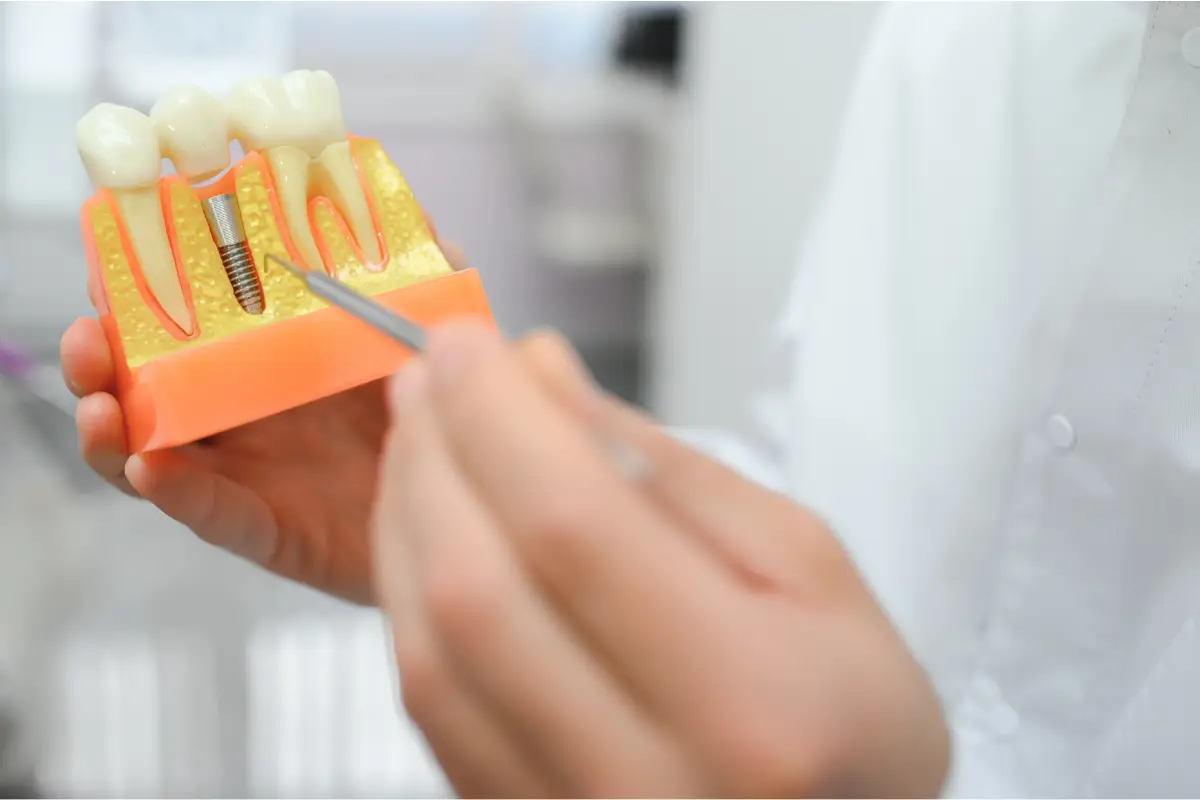
An implant uses a small post placed into the jawbone to act as an artificial tooth root. After the area heals, a custom restoration is attached to complete the replacement.
Dental Implants can provide benefits such as:
- A stable and natural-feeling replacement
- Improved chewing ability
- Support for jawbone health
- A long-lasting tooth replacement option
A dental professional can determine whether an implant is right for you based on factors like bone health, overall oral condition, and your treatment goals.
If you are living with a missing tooth and want to understand your replacement options, contact Castillo Family Dentistry to discuss the best solution for your oral health needs.
Other Ways to Replace Missing Teeth
Dental Implants are not the only option available. Depending on your situation, your dentist may recommend other solutions.
Dental Bridges
Bridges use nearby teeth as support to fill the space left by a missing tooth. They can restore appearance and function without requiring an implant.
A bridge may be a suitable choice for some patients, depending on the condition of the surrounding teeth.
Dentures
For patients missing multiple teeth, partial or full dentures may help restore chewing ability and appearance.
The right replacement option depends on how many teeth are missing, the condition of your remaining teeth, and your personal needs.
How Soon Should You Replace a Missing Tooth?
There is no single timeline that works for everyone, but delaying treatment for too long can allow changes to occur in your mouth.
The sooner you discuss your options with a dentist, the easier it may be to prevent issues like shifting teeth and bone loss.
Even if your missing tooth does not bother you right now, an evaluation can help you understand what may happen if the space is left untreated.
Restore Your Smile and Protect Your Oral Health With Castillo Family Dentistry
A missing tooth affects more than just your appearance. Over time, it can influence your bite, surrounding teeth, and overall oral health. Replacing it can help you maintain a healthier and more functional smile.
At Castillo Family Dentistry, Dr. Eric Castillo provides personalized guidance to help patients explore tooth replacement options that fit their needs. Whether you are considering a long-lasting Dental Implant in Ardmore, OK, our team can help you understand your choices.
FAQs
1. How long can I wait to replace a missing tooth?
The sooner you replace a missing tooth, the better. Delaying treatment may increase the risk of bone loss, shifting teeth, and changes in your bite, which can make future treatment more complex.
2. What happens if you don’t replace a missing tooth?
Leaving a missing tooth untreated can lead to jawbone loss, movement of neighboring teeth, difficulty chewing, and an increased risk of oral health problems. Replacing the tooth can help maintain the function and stability of your smile.
3. Can one missing tooth change the shape of your face?
Yes, in some cases. When a tooth is missing for a long time, the jawbone in that area may begin to shrink. Significant bone loss, especially if multiple teeth are missing, can gradually affect facial appearance.
4. Can you replace a single missing tooth?
Yes. A single missing tooth can often be replaced with a Dental Implant, a dental bridge, or another restorative option. Your dentist will recommend the most appropriate treatment based on your oral health and individual needs.