
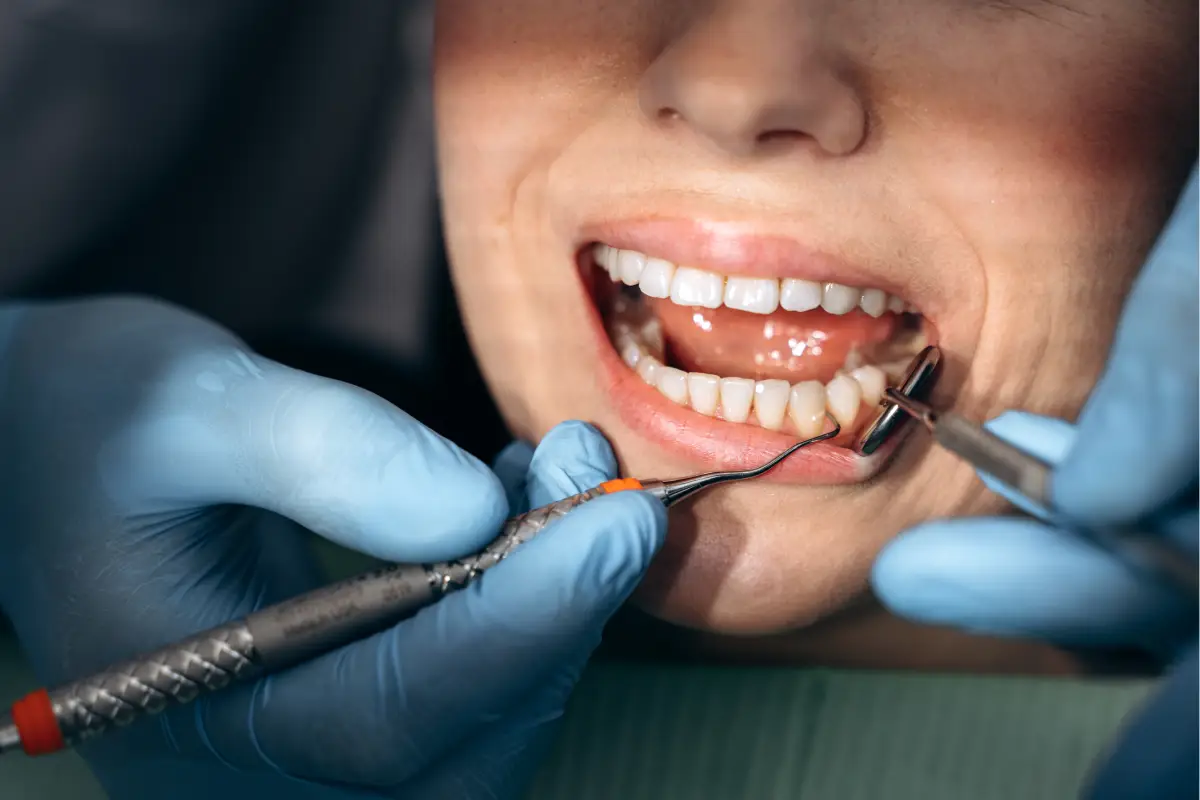
Have you noticed that your teeth look a little longer than they used to? Or maybe you have started feeling a sharp sensation when drinking something cold. These changes can sometimes happen when your gums begin pulling away from your teeth.
Receding gums are more than just a cosmetic concern. When gum tissue moves back, it can expose sensitive areas of the teeth and leave them more vulnerable to damage. Getting the right Periodontal Treatment can help address the cause of gum recession and protect your oral health.
At Castillo Family Dentistry, Dr. Eric Castillo helps patients understand why gum changes happen and what steps can be taken to improve their gum health. Since every patient’s situation is different, identifying the reason behind receding gums is the first step toward finding the right approach.
What Does It Mean When Your Gums Recede?
Your gums play an important role in protecting your teeth. They create a seal around your teeth and help protect the roots from bacteria, pressure, and everyday exposure.
When gums recede, the gum tissue gradually pulls away from the tooth surface. This can expose the tooth root, which does not have the same strong enamel protection as the visible part of your tooth.
As a result, you may experience:
- Increased sensitivity
- Discomfort when eating hot or cold foods
- A higher risk of tooth damage
- Changes in the appearance of your teeth
While mild gum recession may seem harmless, it is important to understand what is causing it.
Common Causes of Receding Gums
Gum Disease
One of the most common causes of gum recession is gum infection or inflammation. When plaque and bacteria build up along the gumline, they can irritate the gums and damage the tissues that support your teeth.
Over time, untreated Gum Disease can cause the gums to pull away from the teeth. In more advanced cases, it may also affect the bone that holds your teeth in place.
This is why early detection and proper care are important for preventing further damage.
Brushing Your Teeth Too Hard
Many people think brushing harder means cleaning better, but aggressive brushing can actually harm your gums.
Using too much pressure or a hard-bristled toothbrush may wear down gum tissue over time. A gentle brushing technique with a soft-bristled toothbrush is usually better for protecting your gums.
Poor Oral Hygiene
Skipping regular brushing or flossing allows plaque to remain on your teeth and along the gumline.
When plaque is not removed, it can harden into tartar, which cannot be removed with regular brushing. This buildup can contribute to gum irritation and increase the risk of gum problems.
Teeth Grinding or Clenching
Grinding your teeth or clenching your jaw places extra pressure on your teeth and supporting tissues.
Over time, this repeated force may contribute to gum issues, tooth sensitivity, and other dental concerns. If you grind your teeth at night, your dentist can recommend ways to protect your teeth and gums.
Genetics and Natural Aging
Some people naturally have thinner gum tissue or may be more likely to experience gum recession due to genetics.
Aging can also contribute to changes in your gums. However, significant gum recession should still be evaluated to determine whether an underlying problem needs treatment.
What Are the Signs of Gum Recession?
Gum recession does not always cause pain right away, which is why some people do not notice it until it becomes more noticeable.
Common signs include:
- Teeth appearing longer than before
- Tooth sensitivity
- Visible tooth roots
- Tender or swollen gums
- Bleeding during brushing or flossing
- Changes in the way your teeth fit together
If you notice any of these signs, a dental examination can help identify the cause before the condition progresses.
How Can Periodontal Treatment Help Receding Gums?
The right treatment for receding gums depends on the reason behind the problem. A dentist will first evaluate your gum health and determine whether inflammation, infection, or another factor is contributing to the recession.
Periodontal Treatment may include professional cleanings, improving gum care habits, and addressing conditions affecting the supporting structures around your teeth.
For patients experiencing problems related to Gum Disease, treatment may focus on controlling infection, removing harmful buildup, and helping protect the gums and bone supporting the teeth.
The goal is not only to improve gum health but also to prevent the problem from becoming more advanced.
If you have noticed changes in your gums, bleeding, or increased tooth sensitivity, contact Castillo Family Dentistry to schedule an evaluation and learn what may be affecting your gum health.
Can You Prevent Gum Recession?
While some factors cannot be controlled, good oral habits can help lower your risk of gum problems.
You can protect your gums by:
- Brushing gently with a soft toothbrush
- Flossing daily
- Keeping up with routine dental cleanings
- Avoiding tobacco products
- Addressing teeth grinding if needed
- Visiting your dentist when you notice changes
Taking care of your gums early can help protect your teeth and maintain better long-term oral health.
Protect Your Gum Health With Castillo Family Dentistry
Receding gums can happen for several reasons, from daily brushing habits to underlying gum problems. The sooner the cause is identified, the easier it may be to prevent further changes and protect your teeth.
At Castillo Family Dentistry, Dr. Eric Castillo provides personalized dental care to help patients maintain healthy gums and address concerns before they become more serious. Whether you are dealing with early gum changes or need Periodontal Treatment in Ardmore, OK, our team can help you understand your options.
FAQs
1. Can receding gums grow back on their own?
No, gum tissue that has receded typically does not grow back naturally. However, early Periodontal Treatment can help stop the recession from worsening and protect your remaining gum tissue.
2. Can you treat receding gums without surgery?
Yes, many cases can be managed without surgery, especially when detected early. Professional cleanings, improved oral hygiene, and other periodontal treatments may help control the underlying cause and prevent further gum recession.
3. What is the first stage of gum recession?
In the early stage, you may notice your teeth appearing slightly longer than before or experience mild tooth sensitivity. Because these changes are often subtle, regular dental checkups are important for early detection.
4. How can I help prevent gum recession from getting worse?
Brushing gently with a soft-bristled toothbrush, flossing daily, attending regular dental visits, and treating gum disease early can help protect your gums and reduce the risk of further recession.