
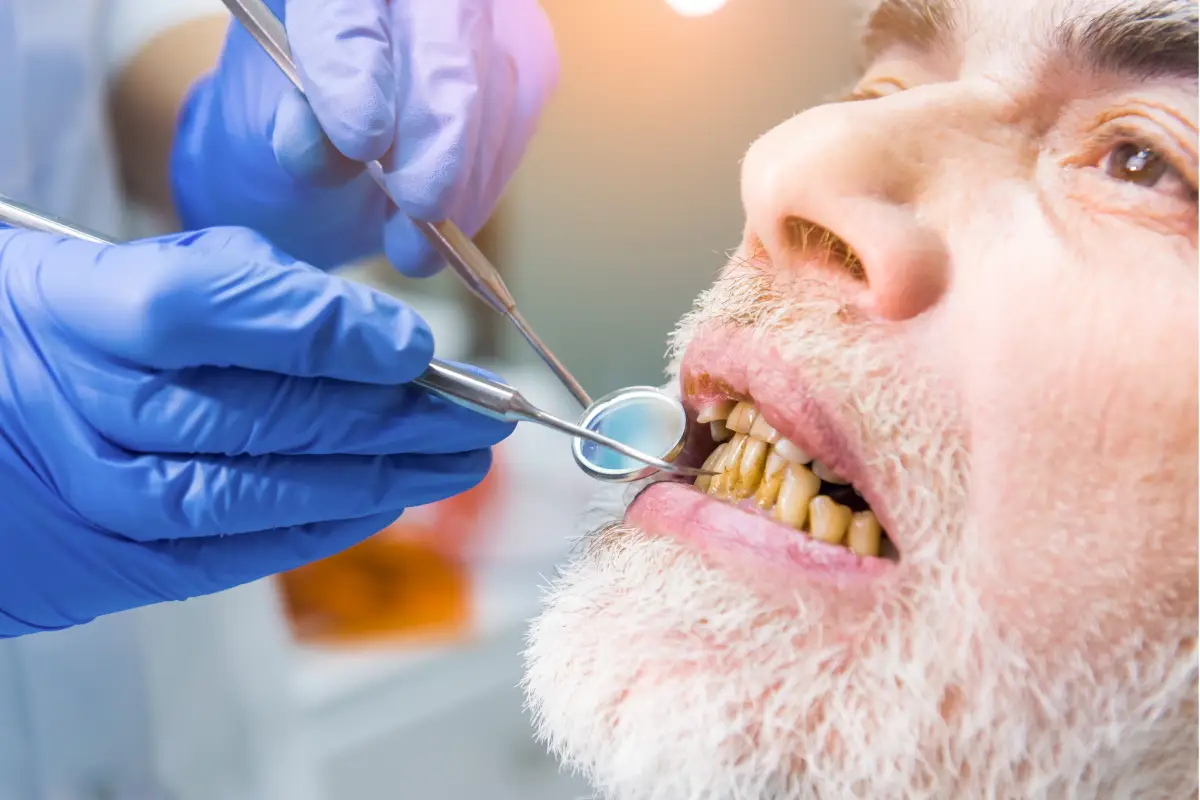
Have you recently noticed that one of your teeth looks darker, gray, or different from the rest of your smile? A sudden color change can be alarming, especially when you are not sure what caused it. While some discoloration comes from foods, drinks, or staining, a gray or dark tooth can sometimes be a sign that something is happening inside the tooth.
Understanding the reason behind the change is important because the right treatment depends on what is causing the discoloration. In some cases, Root Canal treatment may be needed to protect the tooth and prevent further problems.
At Castillo Family Dentistry, Dr. Eric Castillo helps patients identify the causes behind changes in their teeth and find the right solution based on their oral health needs. A darker tooth does not always mean the tooth needs to be removed, but it should be checked to determine what is happening beneath the surface.
Why Does a Tooth Turn Gray or Dark?
A tooth can become gray or dark for several reasons. Sometimes the change happens slowly and is easy to overlook. Other times, the discoloration appears suddenly after an injury or a dental problem.
The outer layer of your tooth, called enamel, protects the inner part of the tooth. Inside the tooth is a soft area called the pulp, which contains nerves and blood vessels. When the pulp becomes damaged or unhealthy, it can affect the color of the tooth from the inside out.
Unlike surface stains that can often be improved with professional cleaning, internal discoloration may require a closer dental evaluation.
Common Reasons Your Tooth May Change Color
Tooth Injury or Trauma
One of the most common reasons a tooth turns gray is an injury. Even if the tooth looks fine immediately after an accident, damage can occur inside the tooth.
A hit to the mouth, sports injury, fall, or other trauma can affect the nerve and blood supply inside the tooth. Over time, this internal damage may cause the tooth to appear darker than the surrounding teeth.
In some cases, people do not notice the color change until weeks or months after the injury.
Damage to the Tooth Nerve
A healthy tooth has living tissue inside it. When bacteria enter deep into the tooth or when the nerve becomes damaged, the pulp may become inflamed or infected.
As the inner tissue breaks down, the tooth may lose its natural brightness and develop a gray, brown, or dark appearance. You may also experience symptoms such as:
- Tooth sensitivity
- Pain when biting
- Swelling around the tooth
- A lingering toothache
When the inside of the tooth is affected, treating the problem early can help prevent more serious complications.
Deep Tooth Decay
A cavity that is caught early may only affect the outer layers of the tooth. However, when decay progresses deeper, it can reach the inner portion of the tooth and impact its health.
Advanced decay can sometimes cause discoloration, discomfort, or infection. This is why regular dental checkups are important, even if you are not experiencing severe pain.
Does a Dark Tooth Always Need a Root Canal?
A dark or gray tooth does not automatically mean you need a Root Canal. The treatment depends on what is causing the discoloration and whether the nerve inside the tooth is healthy.
During an examination, a dentist may evaluate the tooth using a visual exam, X-rays, and other tests to determine the condition of the tooth.
If the nerve is infected or damaged beyond repair, a Root Canal can often save the natural tooth. The procedure removes the unhealthy tissue inside the tooth, cleans the area, and seals it to prevent future infection.
If you notice a tooth becoming darker, scheduling an evaluation early can help you understand your options and avoid unnecessary discomfort.
If you have noticed changes in your tooth color or are experiencing discomfort, contact Castillo Family Dentistry to discuss your concerns and learn what may be causing the issue.
What Happens During Root Canal Treatment?
Many people feel nervous when they hear about a Root Canal, but modern dental techniques make the procedure much more comfortable than many expect.
During treatment, the dentist:
- Removes the infected or damaged pulp from inside the tooth.
- Cleans and disinfects the inside area.
- Fills and seals the tooth to prevent bacteria from returning.
- Restores the tooth so it can continue functioning normally.
The goal is to preserve your natural tooth whenever possible and prevent the infection from spreading.
Can You Prevent Tooth Discoloration?
While some causes, such as accidents, cannot always be avoided, you can reduce your risk of tooth problems by maintaining good oral habits.
Helpful steps include:
- Brushing twice daily with fluoride toothpaste
- Flossing regularly
- Visiting your dentist for routine exams
- Wearing a mouthguard during contact sports
- Treating cavities before they become deeper problems
Early attention to dental concerns can often make treatment simpler and help protect your natural teeth.
Keeping Your Natural Tooth Healthy With Castillo Family Dentistry
A tooth that turns gray or dark may be caused by something simple, or it may indicate a deeper issue that needs attention. The best way to know the cause is through a professional dental evaluation.
At Castillo Family Dentistry, Dr. Eric Castillo provides personalized dental care to help patients address concerns like tooth discoloration and protect their long-term oral health. Whether the issue is related to decay, injury, or the need for a Root Canal, getting answers early can make a difference.
If you are experiencing tooth discoloration or want to learn more about Root Canal treatment in Ardmore, OK, request an appointment with Castillo Family Dentistry today and take the next step toward maintaining a healthy, comfortable smile.
FAQs
1. Can you reverse a tooth turning gray?
It depends on what caused the discoloration. Surface stains may improve with professional cleaning or whitening, but a gray tooth caused by nerve damage or trauma usually requires dental treatment. A dentist can determine the underlying cause and recommend the most appropriate solution.
2. How do you treat a gray tooth?
Treatment depends on the reason the tooth changed color. Options may include professional whitening for surface stains, a dental crown, or Root Canal treatment if the tooth’s inner pulp has been damaged or infected.
3. Does a gray tooth have to be removed?
Not necessarily. Many gray teeth can be saved if they are treated early. If the tooth is structurally healthy, your dentist may recommend a Root Canal followed by a restoration rather than extraction.
4. Why is my tooth turning gray and hurting?
A gray tooth accompanied by pain may indicate an injured or infected tooth nerve. This should be evaluated promptly, as early treatment can often help preserve the natural tooth.
5. Can a gray tooth be treated at home?
Home remedies cannot treat the underlying causes of a gray tooth, especially if the discoloration is caused by trauma, infection, or internal damage. A dental examination is the best way to determine the right treatment.